
Key Takeaways
- Carpets act as a primary filter for indoor pollutants, trapping allergens that can affect air quality.
- Standard vacuuming is insufficient for removing deep-seated bacteria and dust mites from textile fibres.
- Professional cleaning significantly reduces “Sick Building Syndrome” symptoms among office employees.
Introduction
Many office workers find themselves dealing with persistent health issues like sneezing, itchy eyes, or unexpected fatigue during the workday. Often, these symptoms are dismissed as a common cold or stress, but the true culprit may be the environment itself. Seeking professional cleaning services in Singapore is often the first step in uncovering the hidden allergens that plague modern workplaces. When a building’s interior is not properly maintained, it can become a breeding ground for dust mites, mould, and bacteria, all of which contribute to poor indoor air quality and a decrease in overall productivity.
The Hidden Role of Office Carpeting
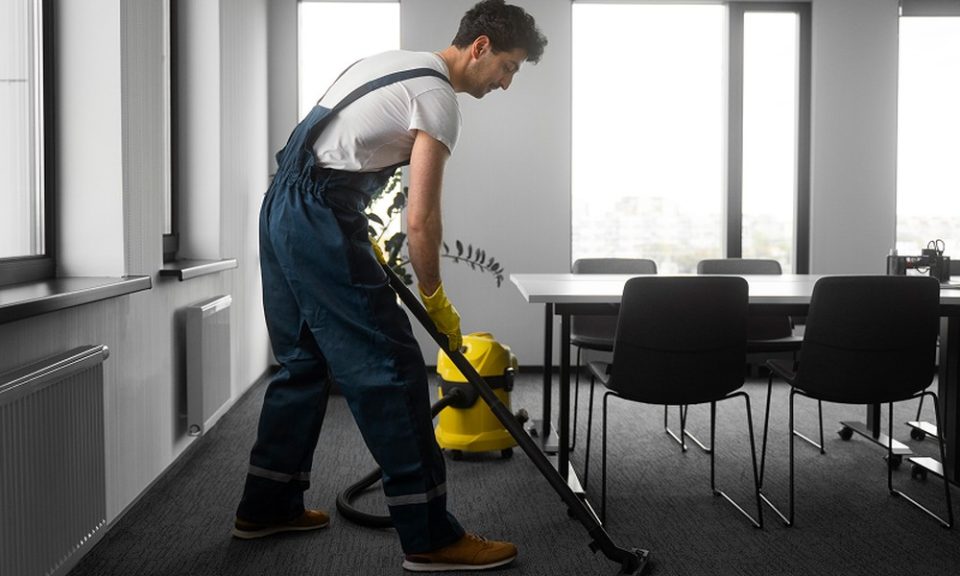
Carpets are a popular choice for offices because they provide comfort and dampen noise. However, they also serve as a massive sponge for airborne particles. Every time someone walks across the floor, they stir up dust and allergens that have settled into the fabric. Professional office carpet cleaning is essential because it goes beyond the surface. While a standard vacuum might pick up loose crumbs, it cannot reach the debris embedded deep within the pile. Over time, this buildup creates a reservoir of irritants that are constantly recirculated into the air that your employees breathe.
Combatting Sick Building Syndrome
Sick Building Syndrome refers to a situation where occupants experience acute health effects that appear to be linked to time spent in a building. Symptoms can include headaches, a dry cough, and dizziness. Regular cleaning services in Singapore help mitigate these effects by ensuring that high-touch surfaces and hidden corners are thoroughly sanitised. Beyond the carpets, dust often accumulates on air vents, computer monitors, and bookshelves. A comprehensive cleaning strategy addresses all these areas, ensuring that the indoor environment is as healthy as possible for everyone.
The Science of Deep Carpet Extraction
To truly remove allergens, you need more than just soap and water. Professional office carpet cleaning involves specialised techniques such as hot water extraction or steam cleaning. These methods use high-temperature water to kill bacteria and loosen the grip of dirt on the carpet fibres. The powerful suction of industrial machinery then removes the water along with the dissolved pollutants. This process not only sanitises the floor but also revives the appearance of the carpet, making the office look brighter and more professional while extending the lifespan of the flooring.
Improving Productivity and Workplace Morale
A healthy workforce is an efficient workforce. When employees feel unwell due to poor air quality, their concentration levels drop, and the number of sick days taken increases. By investing in regular cleaning services in Singapore, business owners demonstrate a genuine commitment to the welfare of their staff. A clean, fresh-smelling office with pristine carpets creates a positive psychological impact, boosting morale and making the workplace a more inviting space. When the environment is cared for, employees feel more valued and are more likely to perform at their best.
Conclusion
Indoor allergies and respiratory issues are often a direct result of an unmaintained office environment. By addressing the root causes, such as trapped dust in textiles, you can significantly improve the health of your workplace. Routine office carpet cleaning is a vital component of any comprehensive maintenance plan. Ensuring that your office remains clean and allergen-free is one of the most effective ways to support your team’s well-being and long-term success.
Contact Lifeline Cleaning to schedule a deep clean and improve your office air quality.
