
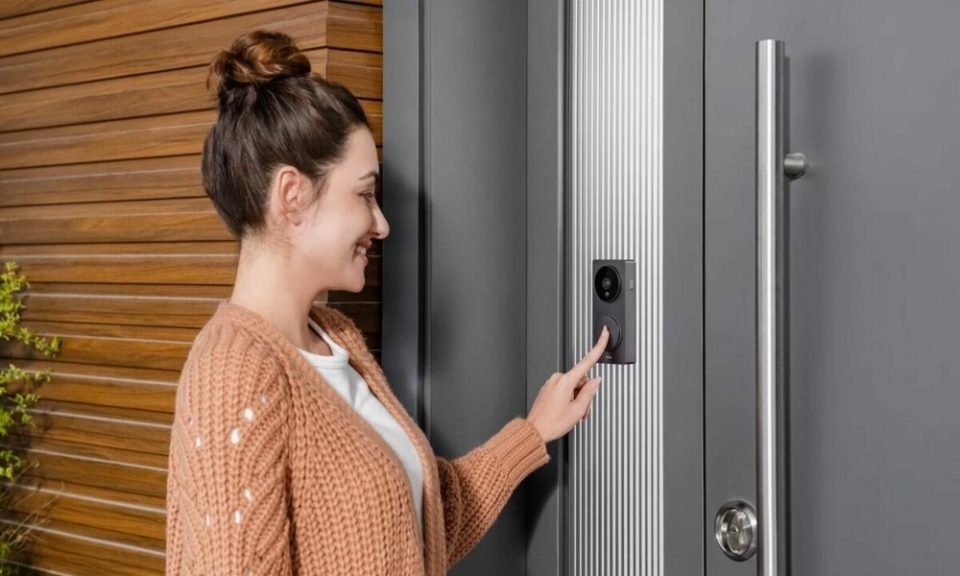
Modern Smart Doorbell Installation for Gated Homes and Long Driveways in Austin, Texas: Extending Wi-Fi, Power, and Coverage Across Large Properties
In Austin, Texas, homes aren’t always close to the curb. Many properties-especially in Hill Country-style neighborhoods, gated estates, and rural-edge developments-feature long driveways, detached garages, guest houses, metal gates, and acreage that can stretch Wi-Fi and electrical systems far beyond what standard consumer devices are designed to handle. That becomes especially obvious when homeowners attempt a smart doorbell installation only to realize the device barely connects-or doesn’t work at all from the front gate.
A smart doorbell is supposed to add convenience and security. But on larger properties, it often introduces new challenges: weak signal strength, delayed notifications, choppy video feeds, or complete dropouts when someone is at the gate instead of the front porch. These problems are not just annoying-they defeat the purpose of having a security device in the first place.
This is where proper planning, network design, and professional electrical support matter more than most homeowners initially realize.
Why Large Austin, Texas Properties Create Unique Doorbell Challenges
On a typical suburban home, a smart doorbell might only need to cover 10-20 feet between the porch and the Wi-Fi router inside the house. But in Austin’s larger-lot communities, that distance can easily jump to 100, 300, or even 500+ feet when you’re talking about gated entrances or detached structures.
That distance creates three major issues:
First, Wi-Fi signal degradation becomes unavoidable. Most consumer routers were never designed to push stable video data across long outdoor distances, especially through trees, stone walls, metal gates, or stucco exteriors.
Second, voltage drop becomes a real concern in wired systems. If the transformer or low-voltage line is undersized or too far from the doorbell location, the device may reboot, lag, or fail entirely.
Third, environmental exposure matters. Heat, dust, rain, and direct Texas sun can all impact both wiring and wireless equipment performance over time.
A successful doorbell installation in these environments has to account for all three of these limitations at once-not just the device itself.
Hardwired vs Wireless: What Actually Works in Real-World Conditions
Homeowners often assume wireless smart doorbells are the easiest solution, but in practice, the choice between hardwired and wireless is more about reliability than convenience.
Wireless units are appealing because they seem simple: mount the device, connect it to Wi-Fi, and you’re done. But on larger Austin properties, wireless-only setups are often the first to fail. When the signal weakens at the gate or driveway, the device becomes unreliable. Missed motion alerts, frozen video streams, and delayed notifications become common frustrations.
Hardwired systems, on the other hand, offer more consistent performance-but only if the underlying electrical system is properly designed. A poorly executed low-voltage line or undersized transformer can still create instability.
In most gated or long-driveway properties, a hybrid approach works best. This means a wired power source paired with a strong, extended Wi-Fi network. That combination ensures the device always has power while also maintaining a stable connection for video and alerts.
When done correctly, doorbell installation becomes less about the device itself and more about the infrastructure supporting it.
Extending Wi-Fi to Reach Gates and Detached Structures
One of the most overlooked aspects of smart home setups in Austin, Texas is network planning. Many homeowners assume a single router inside the house will cover the entire property. In reality, outdoor coverage is one of the weakest points of any home network.
For properties with long driveways or detached gates, Wi-Fi extension becomes essential.
Mesh network systems are often the first solution professionals recommend. These systems use multiple nodes placed strategically around the property to create a seamless blanket of coverage. Instead of relying on a single router, the signal is shared across multiple access points, reducing dead zones and improving stability.
For larger estates, mesh networks alone may not be enough. Outdoor-rated access points can be mounted on barns, garages, or exterior walls to push signal further toward gates or perimeter entrances.
In some cases, directional antennas are used to “aim” the signal down long driveways, ensuring that a smart doorbell at the gate receives consistent bandwidth for video streaming and motion alerts.
Without these upgrades, even the best devices will struggle. That’s why many homeowners discover that doorbell installation is actually a networking problem disguised as a hardware project.
Electrical Distance, Transformers, and Low-Voltage Limitations
Even when Wi-Fi is solved, power delivery can still create issues. Smart doorbells rely on low-voltage power systems, typically stepped down from a transformer inside the home or garage.
On larger properties, the distance between the transformer and the doorbell location becomes critical. The longer the wire run, the more voltage drop occurs. If the voltage drops too low, the device may reboot repeatedly, fail to ring inside the house, or lose connectivity entirely.
Older homes in Austin may also have undersized or outdated transformers that were never designed for modern smart devices. A traditional mechanical doorbell required far less power than today’s video-enabled systems with infrared night vision, motion detection, and continuous Wi-Fi connectivity.
In these cases, upgrading the transformer or re-routing wiring becomes part of a proper doorbell installation rather than an optional improvement.
When Signal Boosters and Mesh Systems Are Not Enough
Some properties present extreme challenges-long ranch-style driveways, metal gate enclosures, or heavily wooded lots. In these environments, even mesh systems may struggle to maintain consistent signal strength.
That’s where signal boosters and outdoor access points come into play. These devices amplify or extend Wi-Fi coverage beyond what standard routers can achieve.
However, placement is critical. A booster placed too close to the house does little for the gate. One placed too far may not receive a strong enough signal to rebroadcast effectively. Proper installation requires balancing both electrical access and network positioning.
This is one of the reasons many homeowners choose professional help for doorbell installation instead of trial-and-error DIY setups. Getting it wrong can lead to inconsistent performance that never fully resolves.
Is This a Good DIY Project for Handy Homeowners?
On paper, installing a smart doorbell seems like a reasonable weekend project. Many manufacturers even market their products as “easy install” solutions. And in simple suburban homes, that can be true.
But Austin’s large-lot and gated properties are a different story.
A handy homeowner may be comfortable mounting the device and connecting it to an app, but the real complications come from what you can’t see:
- Weak or inconsistent Wi-Fi at the installation point
- Improper transformer sizing or outdated electrical infrastructure
- Voltage drop over long wire runs
- Outdoor environmental exposure affecting wiring longevity
- Interference from metal gates, stone columns, or detached buildings
Each of these issues can cause ongoing performance problems that are difficult to diagnose without electrical and networking experience.
In many cases, DIY installation ends up being a temporary solution that later requires professional correction.
That’s why complex doorbell installation projects on larger Austin properties are typically best handled by licensed electricians who understand both low-voltage systems and real-world network constraints. The goal isn’t just to make the device turn on-it’s to make it work reliably every day, in all conditions.
Why Professional Installation Makes a Difference in Austin Homes
A properly executed system considers the home as a whole, not just the doorbell itself. That means evaluating Wi-Fi coverage, electrical load, transformer capacity, and physical layout before anything is installed.
A licensed electrician can:
- Assess voltage requirements and upgrade transformers if needed
- Extend or re-route low-voltage wiring safely
- Coordinate Wi-Fi expansion recommendations with physical device placement
- Ensure outdoor wiring is weather-protected for Texas heat and storms
- Eliminate signal dead zones that cause delayed alerts or video failure
This full-system approach is what separates a basic install from a long-term reliable security solution.
For homeowners investing in security and convenience, that reliability matters.
Final Thoughts
In Austin’s diverse housing landscape-from modern gated estates to rural-edge properties with long private driveways-smart home technology has to adapt to the environment, not the other way around. A smart doorbell can absolutely improve security and convenience, but only when it’s supported by the right infrastructure.
A well-planned doorbell installation goes beyond mounting a device. It requires attention to Wi-Fi strength, electrical capacity, environmental conditions, and layout design. When those factors are properly addressed, the result is a system that works seamlessly-no delays, no dropped connections, and no blind spots at the gate.
For smaller homes, a DIY approach might be enough. But for larger Austin properties with distance, interference, and power challenges, professional installation by licensed electricians is often the difference between frustration and reliability.
And in the end, that’s the real goal: a system that works every time someone comes to the gate, day or night, without fail.
