
Key Highlights
- Lowering indoor humidity levels is the most effective way to eliminate the food source of booklice.
- Wiping down affected surfaces with specialised cleaning agents helps remove microscopic mould and fungi.
- Ensuring proper ventilation in kitchens and bathrooms prevents the damp conditions where booklice thrive.
- Professional intervention remains the most reliable method for managing persistent infestations in high-humidity climates.
Introduction
Booklice, also known as psocids, are tiny insects that often appear in damp areas of the home, particularly around books, wallpaper, and pantry items. While they do not bite or spread diseases like other common pests, their presence usually indicates a significant moisture problem. In the tropical climate of Southeast Asia, these pests find the perfect environment to flourish due to the high ambient humidity. Many homeowners feel frustrated when they spot these translucent specks crawling across their shelves, but understanding their biology is the first step toward eradication. Because they feed on microscopic mould and fungi, you cannot simply spray them away without addressing the environmental factors. To help, engaging with professional pest control in Singapore can address the issue, as well as other effective strategies.
Controlling Indoor Humidity Levels
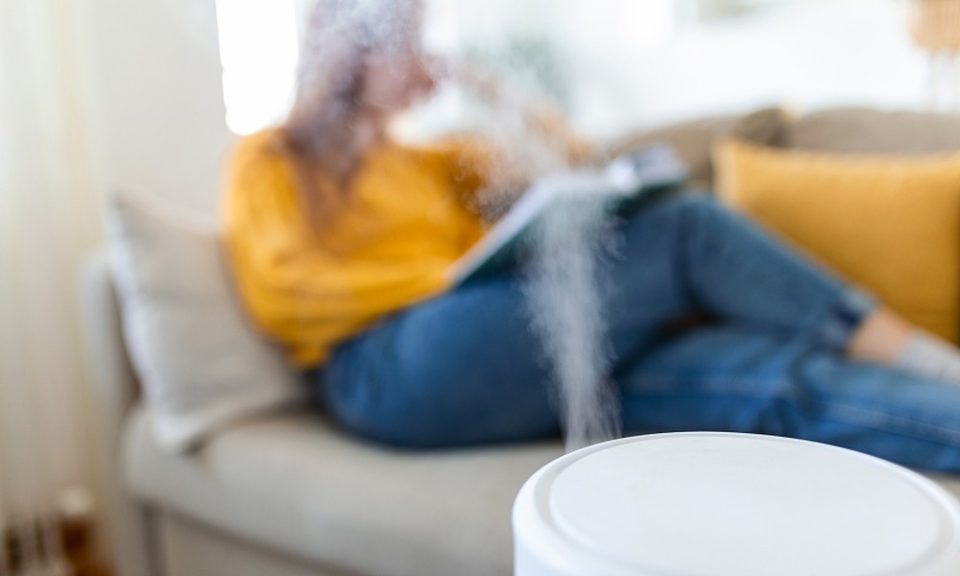
The most critical step to get rid of booklice is to manage the moisture levels within your property. Since these insects require a humid environment to survive and reproduce, reducing the relative humidity to below 50% will effectively dehydrate them. Investing in a high-quality dehumidifier for rooms that lack natural sunlight or airflow can make a massive difference. You should also consider using moisture-absorbing sachets in confined spaces like wardrobes and cupboards. In a city where the outdoor air is often saturated with moisture, relying on air conditioning can also help regulate the indoor climate. By creating an environment that is too dry for mould to grow, you essentially starve the booklice of their primary food source, leading to a natural decline in their population.
Eliminating Mould and Fungal Growth
Because booklice feed on microscopic fungi, visible or invisible mould growth acts as a magnet for them. To effectively manage the situation, you must thoroughly clean any surfaces where you have spotted the insects. Use a mild bleach solution or a specialised anti-fungal cleaner to wipe down bookshelves, skirting boards, and walls. Pay close attention to the glue in older book bindings and the starch in wallpaper paste, as these materials often harbour the organic matter that booklice crave. After cleaning, ensure that the surfaces are completely dry before replacing any items. Removing these biological traces not only helps you get rid of booklice but also improves your home’s overall air quality and hygiene, preventing respiratory irritations often caused by mould spores.
Improving Ventilation and Airflow
Static air is a major contributor to dampness, which in turn invites pests. You can significantly reduce the likelihood of an infestation by improving the airflow throughout your house. Open windows during the day when the weather is clear to allow fresh air to circulate, and use exhaust fans in the kitchen and bathroom after cooking or showering. It is also wise to keep furniture slightly away from walls to prevent moisture from becoming trapped in the gap. If you store items in cardboard boxes, consider switching to airtight plastic containers, as cardboard can absorb moisture and become a breeding ground for fungi. These simple lifestyle adjustments create a hostile environment for psocids and reduce the need for frequent chemical treatments.
Seeking Professional Pest Control Services
When DIY methods are not enough to curb the problem, it is time to consult experts in pest control. Professional technicians have the tools and knowledge to identify the specific moisture entry points in your building that might be invisible to the naked eye. They can apply targeted treatments that are safe for indoor use while providing long-term protection against various household pests. Professionals also offer advice on structural repairs, such as fixing leaky pipes or sealing gaps in window frames, which could be contributing to the humidity levels. Engaging a reliable service ensures the infestation is handled at its root, giving you peace of mind and a healthier home environment for your family.
Conclusion
Dealing with booklice can be a persistent challenge, especially in a warm and humid climate. However, by combining moisture control, thorough cleaning, and improved ventilation, you can successfully reclaim your home from these tiny intruders. Consistency is key, as even a small pocket of dampness can allow the population to rebound. Taking proactive steps today will not only help you get rid of booklice but will also protect your belongings from mould damage. When the situation becomes overwhelming, remember that professional assistance is available to provide a more permanent solution. Maintaining a dry and well-ventilated home is the best defence against many common pests that thrive in tropical urban environments.
To ensure your home remains free from moisture-loving pests, contact Rentokil today.
