
Key Highlights
- Successful design starts with understanding practical household needs.
- Good planning helps homeowners avoid costly renovation mistakes.
- Space utilisation plays a major role in everyday comfort.
- Material selection affects both aesthetics and maintenance.
- Long-term functionality should guide design decisions.
Introduction
Every homeowner begins a renovation project with ideas, inspiration, and personal preferences. While visual appeal often drives initial decisions, practical considerations play an equally important role in determining whether a home remains comfortable and functional over time. Effective planning helps transform concepts into spaces that genuinely support everyday living.
Housing and interior design involves much more than selecting colours, furniture, and decorative elements. It requires balancing aesthetics, functionality, and future needs. Many homeowners look to the best interior design companies in Singapore for guidance because professional expertise can help align creative ideas with practical outcomes.
Understanding Lifestyle Requirements Before Renovating
A successful renovation begins with a clear understanding of how a property will be used. Every household has unique routines, storage needs, and lifestyle priorities that heavily influence final floor plan layout choices. Identifying these practical requirements early helps create spaces that support daily activities more effectively.
Families with young children may prioritise durability, while working professionals require dedicated home office setups to remain fully productive during the week. Therefore, professional housing and interior design should always reflect the habits of the people living in the property rather than purely decorative trends.
Homeowners usually find that collaborating with some of the best interior design companies in Singapore allows them to assess their lifestyles before developing design concepts. This specific approach ensures that designers recommend structural solutions that improve long-term comfort, convenience, and satisfaction while maintaining visual appeal.
Making Better Use of Available Space
Firms listed among the best interior design companies in Singapore frequently emphasise efficient space utilisation because it contributes directly to comfort. Thoughtful planning helps homeowners avoid visual overcrowding and ensures that every area serves a meaningful purpose within the overall theme. Space planning significantly affects how a home functions.
Even larger properties can feel inefficient if layouts are poorly organised, while smaller units feel surprisingly spacious when planned thoughtfully. Effective structural layouts improve daily movement and make family activities more convenient across the household.
Clearly defined zones help create absolute order while maintaining flexibility for different activities and changing household needs over the years. Specialists usually emphasize that innovative housing and interior design often focuses on maximising the potential of available space through strategic furniture placement.
Choosing Materials That Support Daily Living
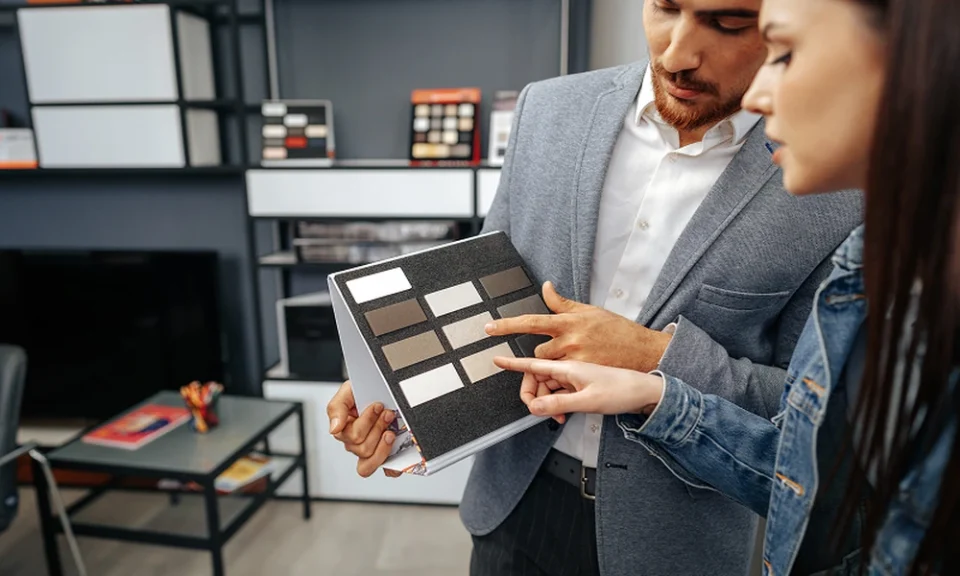
Material selection influences both the appearance and daily performance of an interior. While attractive finishes enhance aesthetics, practical considerations such as durability, maintenance, and longevity remain equally important during the initial decision-making process. High-traffic communal areas require durable surfaces, while moisture-prone spaces benefit from specialized finishes.
Property owners often discover that the best interior design companies in Singapore guide clients towards solutions that balance beauty and practicality. By considering both appearance and material performance, families create interiors that remain attractive and functional for many decades.
Selecting appropriate finishes drastically reduces maintenance while preserving long-term visual quality. Renovation professionals frequently point out that premium housing and interior design projects benefit from materials that complement lifestyle requirements.
Planning for Long-Term Flexibility
Properties often evolve alongside the people who live in them. Changes in family size, remote work arrangements, and personal interests influence how spaces are used over time. Homeowners usually find that executing progressive housing and interior design strategies that incorporate adaptable layouts provides greater long-term value.
Designing with flexibility in mind helps accommodate future needs without requiring major alterations. Such features allow spaces to evolve naturally while maintaining their underlying functionality and visual appeal over the years.
Consulting professionals working at the best interior design companies in Singapore frequently encourage property owners to think beyond immediate requirements. Future-focused planning supports lasting satisfaction and helps create homes that continue serving their occupants well as circumstances shift.
Conclusion
Making better design decisions requires balancing creativity with practicality. By considering lifestyle needs, space utilisation, material selection, and future flexibility, homeowners can transform ideas into living spaces that remain comfortable, functional, and visually appealing for years to come.
Contact Jialux Interior today to see how strategic furniture layouts and clever zoning can maximize your available living space beautifully.
