
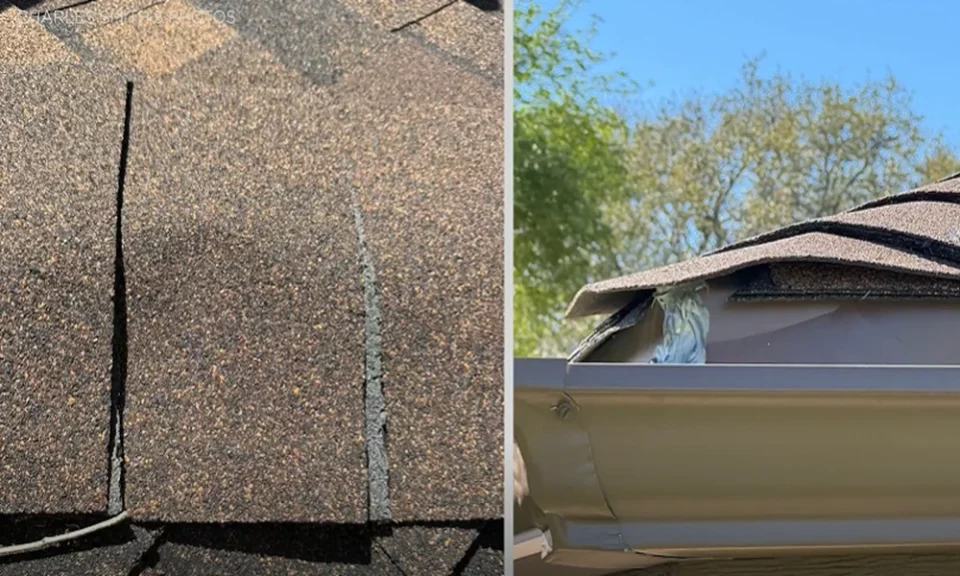
Stand in almost any Houston driveway after a storm and you’ll see the same thing. A homeowner squints up at the shingles, counts the ones that look out of place, and decides the roof is either fine or finished. The trouble is that shingles are usually the last part of a roof to give up. Leaks, attic stains and soft decking tend to start at pieces so small they never show from the street, some no bigger than a coin.
Anyone who has had a roofer like Desbro Roofing walk the surface with them knows how quickly the conversation moves away from shingles and toward the details around them. The team at greenlightroofing.com works across Houston, Katy, Cypress, Spring, The Woodlands, Tomball and nearby towns. Its crews hold GAF and CertainTeed certifications and back their labor with a five year warranty. The owner also spent more than 17 years in the insurance industry before roofing, which shapes how they look at damage and paperwork. That habit of looking past the obvious is worth borrowing, so this piece starts at the smallest part of a roof and works outward.
Begin With One Nail
A single roofing nail holds more responsibility than its size suggests. Each shingle is fastened in a narrow strip, and when a nail lands too high, sits crooked or gets driven too shallow, the shingle above it loses grip. Houston’s heat makes this worse. Roof surfaces in summer swing from warm mornings to scorching afternoons and back again overnight, and that daily expansion slowly pushes poorly seated nails upward.
These “nail pops” lift the shingle above them just enough for wind driven rain to slip underneath. You won’t spot them from the yard. Sometimes the first clue is a small brown ring on a bedroom ceiling, far from where you’d expect a leak to begin.
The Rubber Collar Around Every Pipe
Look at any vent pipe poking through a roof and you’ll find a boot around its base. Many are made of neoprene or rubber sealed to a metal flange. Here’s the uncomfortable part. A shingle roof in this region may be rated for twenty years or more, yet the rubber on a standard pipe boot often cracks in roughly half that time under constant UV exposure.
Signs a boot has started to fail include:
- Hairline splits in the rubber collar where it hugs the pipe
- A gap you can see daylight through between the pipe and the collar
- Rust on the metal flange or exposed nails holding it down
- Water stains in the attic directly below a plumbing vent
Lead boots last longer but bring their own problem, since squirrels in tree heavy neighborhoods like to chew on them. Silicone versions and boot covers are now common upgrades during repairs.
Where the Roof Meets a Wall
Two story homes and houses with dormers have places where a sloped roof runs into vertical siding or brick. Those joints rely on step flashing, small bent pieces of metal tucked under each course of shingles, with counter flashing covering the top edge. When someone skips a piece or seals the joint with caulk instead of metal, the leak doesn’t show on the roof. It travels behind the siding.
The most overlooked piece of all is kickout flashing, a small angled diverter at the bottom of a roof to wall joint. Without it, water runs straight down the face of the wall instead of into the gutter. In humid Gulf Coast weather, that steady trickle can rot sheathing and framing for years before anyone notices swollen trim or a musty smell inside.
Valleys Do the Heaviest Lifting
A roof valley collects water from two slopes at once, which means it handles far more volume than any flat stretch of shingles. During a heavy Houston downpour, a valley can run like a small creek. If the valley is the closed cut style, the shingle edge has to be trimmed and sealed correctly, or water creeps sideways under it.
Valleys also trap debris. Live oak leaves, pine needles and small branches settle there, hold moisture against the surface, and slow the flow of water. Over time, granules wear away faster in that channel than anywhere else on the roof. Open metal valleys shed debris better, which is one reason some homeowners choose them during replacement.
Edges, Ridges and the Air Underneath
Wind damage almost never starts in the middle of a roof. It begins at the edges, where gusts get a grip on the first row of shingles. A proper drip edge and a starter strip with factory sealant along the eaves and rakes give those edges their strength. Older roofs sometimes have neither, and that becomes obvious after a tropical storm, when the first shingles to peel off are the ones along the perimeter.
At the top, ridge caps and vents keep the attic breathing. Houston attics can climb well past 140 degrees on summer afternoons. If intake vents at the soffits are blocked by insulation or paint, hot humid air sits trapped against the underside of the deck. That heat bakes shingles from below and shortens their life, while moisture from the house condenses on cooler nights. Good ventilation is invisible, yet it may matter more to roof lifespan than the brand of shingle on top.
The Layer Nobody Sees
Beneath everything lies the decking, usually plywood or OSB on homes built in recent decades. Decking can’t be inspected from the ground and rarely gets checked until a tear off. When small leaks from nails, boots or flashing go unnoticed, the deck absorbs that water quietly. OSB tends to swell at the edges, and plywood can delaminate. Walking the roof, an experienced roofer will often feel these areas as soft or spongy spots before seeing anything on the surface.
Replacing a few sheets during reroofing is routine. Replacing large sections because years of minor leaks were ignored is where budgets blow up.
How Small Failures Turn Into Policy Problems
This is where the size of a defect stops mattering and timing takes over. Homeowners insurance in Texas generally responds to sudden damage, such as wind tearing off shingles or a tree limb punching through. Gradual wear sits in a different category. The Texas Department of Insurance notes that insurers won’t pay for a new roof simply because it is old or worn out, and that some companies switch older roofs from replacement cost to actual cash value coverage at renewal.
That has real consequences. A cracked pipe boot that leaked for three years looks like neglect to an adjuster, even if a storm finally made the leak obvious. The same storm on a well maintained roof reads as fresh damage. Insurers may also inspect a roof when you apply for coverage and price the policy based on what they find. Many Texas policies carry a separate wind and hail deductible, sometimes calculated as a percentage of the home’s insured value, so knowing your numbers before hurricane season matters too.
Photos help. After any significant storm, taking dated pictures of your roof, gutters and attic gives you a baseline that separates new damage from old. It also helps to know that a contractor offering to waive or cover your deductible is breaking Texas law, a pitch that tends to show up door to door after big weather events.
Seeing the Whole Roof Through Its Smallest Parts
A roof is less a single surface than a collection of joints, seals and edges that all have to cooperate. Shingles get the attention because they’re visible, but nails, boots, flashing, valleys and vents decide whether water stays outside. In a climate that brings brutal sun, heavy rain and the occasional Gulf storm, those small parts wear on their own schedules, often well ahead of the shingles around them.
The most useful habit a Houston homeowner can build is simple. Stop judging the roof by how it looks from the curb, and start asking about the pieces that hold it together. Catching a split collar or a missing kickout early costs very little. Waiting until the ceiling stains tell the story usually costs a great deal more, and the insurance company may not share the bill.
