
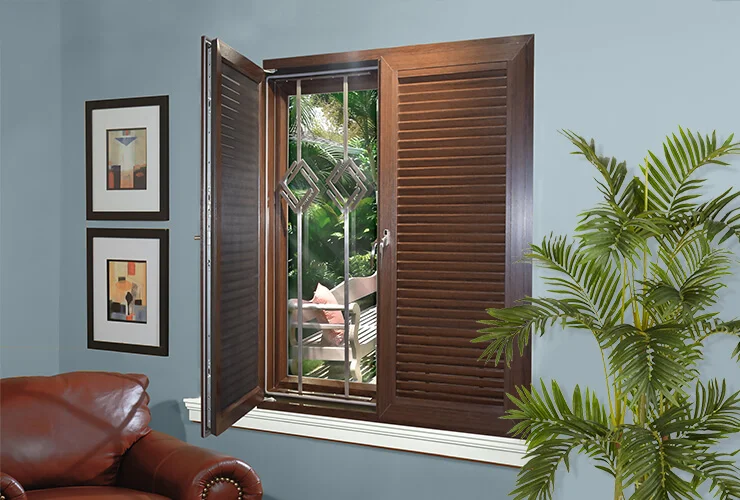
Windows are more than just a functional feature of a home—they’re a major component of your home’s style, energy efficiency, and overall comfort. When it comes to customizing window frames to match your aesthetic preferences and functional needs, modern advancements allow homeowners to enjoy a vast range of options. Among the most popular window types—louver, casement, and sliding windows—each offers unique customization features. However, casement windows stand out for their versatility, style, and ability to blend seamlessly into virtually any architectural style.
In this blog, we’ll dive into the customizable options for window frames, focusing on casement windows, and explore how they can add value and character to your property.
Why Customize Window Frames?
Window frames define the overall appearance and performance of your windows. Customization allows homeowners to tailor their windows to:
Complement their home’s architectural style.
Achieve better energy efficiency.
Address personal preferences for colors, materials, and finishes.
Optimize window durability, aesthetics, and cost.
Increase the property’s overall value.
Customizable window frames also allow you to design your windows with more functionality in mind—whether for a bold minimalist statement or for blending discreetly into a room’s ambiance.
Casement Windows: Why They’re a Great Choice for Customization
What Are Casement Windows?
Casement windows are hinged on the sides and swing outward or inward like a door. They work well in almost any setting and stand out for their ability to seal tightly against frames when closed, offering excellent energy efficiency.
Why Are Casement Windows Ideal for Customization?
Casement windows provide great flexibility in frame design, thanks to:
Their simple, clean design that suits a wide variety of home styles.
The large glass panes that allow for tons of natural light, making any frame finish stand out.
Their compatibility with a range of materials and colors, allowing you to customize based on both functionality and aesthetic appeal.
Customizable Frame Options for Casement Windows
1. Materials
Casement window frames are available in a variety of material options, each with different qualities to suit your style, budget, and maintenance preference:
Vinyl Frames
Why Choose Them: Vinyl frames are affordable, low-maintenance, and energy-efficient.
Customization Options: Available in a variety of colors and finishes, vinyl casement frames can mimic the appearance of wood for a classic look without the upkeep.
Aluminum Frames
Why Choose Them: Lightweight but durable, aluminum frames are great for modern and industrial-style homes.
Customization Options: Powder coating enhances the color range and provides a sleek metallic or matte finish. You can choose bold or neutral tones to match your home’s look.
Wood Frames
Why Choose Them: A timeless option that naturally insulates well and looks great in rustic, traditional, or craftsman-style homes.
Customization Options: Wood frames can be stained to highlight the natural grain or painted in custom colors to match your home’s design.
Fiberglass Frames
Why Choose Them: Fiberglass combines strength, durability, and energy efficiency, making it one of the top choices for homeowners.
Customization Options: Fiberglass offers a smooth, versatile finish that can be painted in your desired shade. Its ability to withstand extreme weather ensures long-lasting customization options.
Composite Frames
Why Choose Them: A blend of materials that offers the best traits of both wood and vinyl, these frames are durable, energy-efficient, and aesthetically pleasing.
Customization Options: They often feature customizable textures and a wide color palette for a tailored look.
2. Finishes and Coatings
Casement window frames can be finished to suit your specific preferences, enhancing their durability and aesthetic impact:
Powder Coating for Aluminum Frames: Resistant to fading and corrosion.
Textured Vinyl Finishes: Provide a softer, wood-like appearance.
Natural Stains for Wooden Frames: Highlight natural grains and patterns for a rustic or luxurious feel.
Custom Paints: Available in nearly any color to match your home’s trim or exterior palette.
3. Frame Colors
Casement windows offer one of the widest ranges of color options:
Classic Choices: White, black, and brown for timeless elegance.
Earthy Tones: Perfect for blending into natural surroundings or achieving an organic look.
Bold Colors: Bright blues, reds, or greens for adding character to modern or contemporary homes.
Dual Colors: Some frames can be customized with a two-tone finish—one color for the interior and a different one for the exterior—providing a cohesive look inside and out.
4. Frame Design Features
Slim Profiles: For homeowners who want larger glass areas and a minimalist aesthetic.
Thicker, Decorative Frames: Ideal for traditional or classic designs that emphasize detail and character.
Grid or Muntin Additions: Add grids to casement windows for an old-world charm, or choose designs that blend with colonial, Victorian, or modern farmhouse styles.
How Louver and Sliding Window Frames Compare
Louver Windows
Customization in Materials: Just like aluminum casement windows, louver window frames are available in materials like aluminum, wood, and vinyl. However, their slatted design limits options for bold customization compared to casement windows.
Best For: Practical settings like sunrooms and garages where ventilation is key, with fewer aesthetic requirements.
Sliding Windows
Modern Appeal: Aluminum sliding window frames are sleek and contemporary, making them suitable for modern architectural styles.
Customization in Size and Colors: Sliding window frames are often wider and work best with neutral or metallic finishes. However, they lack the design versatility of casement windows.
While louver and sliding windows have their unique strengths, casement windows offer the best balance of design flexibility and functionality, making them the top choice for detailed customization.
Tips for Choosing the Perfect Casement Window Frame
Consider Your Home’s Style: Choose frame materials and colors that complement your home’s architectural design—wood for traditional, aluminum for modern, or vinyl for versatility.
Think About Maintenance: Some materials, like vinyl and fiberglass, require less upkeep than wood, especially in humid or harsh weather conditions.
Match Interior and Exterior Finishes: Dual-color frames allow for seamless design integration both inside and outside your home.
Focus on Energy Efficiency: Look for materials like fiberglass or composite and pair them with energy-efficient glazing to increase insulation while keeping your utility bills low.
Windows are one of your home’s most visible design elements, and customizing casement window frames gives you unparalleled control over both aesthetics and functionality. With their wide selection of materials, colors, finishes, and design features, casement windows offer endless possibilities for personalizing your home.
