
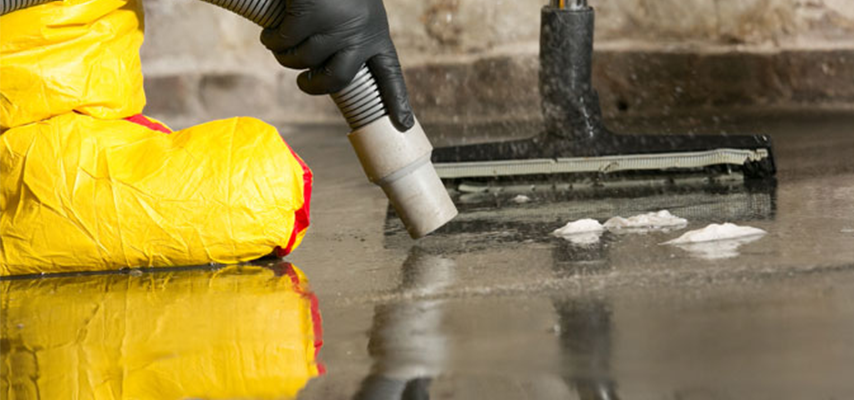
A sewer backup is one of the most hazardous water damage emergencies a homeowner can face. Unlike clean water from a burst pipe, sewage is contaminated with bacteria, viruses, and harmful chemicals that can cause serious health issues. That’s why professional cleanup is critical. Restoration experts follow a step-by-step process to remove contamination, sanitize the area, and restore the property safely.
Step 1: Assess the Damage and Ensure Safety
The first step in any sewer backup cleanup is ensuring safety. Professionals arrive wearing protective gear and immediately assess whether the space is safe to enter. Electricity may be shut off to prevent shock hazards, and the source of the backup is identified and stopped. This careful approach prevents further contamination and protects both the crew and the homeowner.
Step 2: Contain the Affected Area
To stop contamination from spreading, restoration teams seal off the affected space. Plastic barriers, negative air machines, and HEPA air scrubbers are often used to control airflow and capture airborne particles. This containment ensures that dangerous bacteria and odors don’t spread to other areas of the home.
Step 3: Remove Contaminated Materials
Porous materials like carpet, drywall, and insulation that come into contact with sewage usually cannot be salvaged. These items are carefully removed, bagged, and disposed of in accordance with local health regulations. Hard, non-porous materials such as tile or metal surfaces are cleaned and disinfected, but soft furnishings often need to be replaced.
“Sewer backups require a much stricter cleanup process than regular flooding,” explains Eric Daniels of Water Damage Restoration Pros. “Our job is to remove every contaminated material and ensure what’s left is completely safe for the family to live in again.”
Step 4: Sanitize and Disinfect Thoroughly
Once debris and damaged materials are removed, the entire area is scrubbed and disinfected with hospital-grade cleaning agents. Special attention is given to floors, walls, and any surfaces that came in contact with sewage. Professional sanitization kills dangerous pathogens and ensures the space is safe to reoccupy.
Step 5: Drying and Dehumidification
After cleaning, industrial air movers and dehumidifiers are used to remove all moisture from the space. This step is critical because even after sewage is removed, lingering dampness can cause mold growth within days. Moisture meters help technicians confirm that walls, floors, and air are dry before the job is complete.
Step 6: Final Inspection and Odor Removal
Restoration experts conduct a final inspection to ensure all contaminated materials have been removed and moisture levels are safe. Air scrubbers and deodorizing treatments may be used to eliminate lingering odors. The goal is to leave the home not only clean but also safe, comfortable, and free of health hazards.
Protecting Health and Property
Trying to handle a sewer backup on your own is dangerous and ineffective. Professional restoration and remediation teams follow a strict, proven process to protect your health, prevent mold, and restore your home. Their training and equipment ensure that the job is done right the first time, giving you peace of mind after one of the most stressful emergencies a homeowner can face.
