
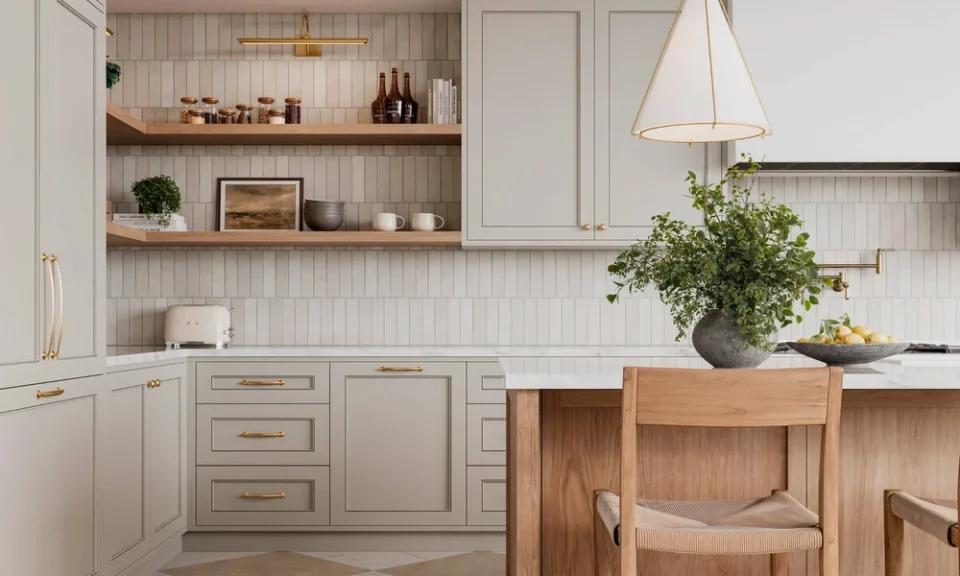
Flooded with sunlight one moment and engulfed by gloomy corners the next, finding the right harmony between natural and artificial light can transform any space from uncomfortable to inspiring. Whether you are designing a home, office, or creative studio, striking this balance is key to crafting environments that feel both welcoming and functional.
Why Is Balancing Natural and Artificial Light Important?
Light is more than just a practical necessity. The quality, color, and direction of illumination shape mood, productivity, and even well-being. Well-balanced lighting reduces eyestrain, improves concentration, and creates atmosphere. When natural and artificial sources complement rather than compete, the result is a space that feels vibrant during the day and cozy at night.
How Does Light Quality Affect Mood and Productivity?
Bright, cool light can energize and enhance focus, which is why daylight is prized in workspaces. In contrast, warm lighting tends to encourage relaxation. Poorly balanced lighting, too dim, too harsh, or uneven, can result in fatigue, headaches, or lack of motivation.
What Are the Challenges of Using Only One Light Source?
Relying solely on sunlight leads to gloomy interiors as the sun moves or when clouds roll in. Depending only on artificial lighting often results in flat, lifeless rooms devoid of natural warmth. Both extremes foster discomfort and can even distort colors in your décor. Instead, layering both sources provides control and adaptability.
How to Assess Your Space for Light Balance
Understanding your space is the first step toward luminous harmony. Every room is unique, and so is its interaction with daylight and fixtures.
What Factors Influence Natural Light Availability?
Window orientation is crucial. South-facing windows deliver abundant sunlight, while north-facing ones yield steady but softer light. The presence of trees, tall buildings, or awnings also affects how much sun enters a room. Seasonal changes and local climate play a role as well.
How to Measure and Map Artificial Light Sources?
Take note of every fixture, lamp, and bulb. Where do shadows fall? Are there dark corners? Mapping the coverage of existing artificial lights reveals gaps and overlaps, guiding adjustments or additions. Consider the brightness (measured in lumens) and color temperature of each source.
When to Consider Professional Lighting Consultation?
Complex layouts or large spaces can benefit from an expert’s eye. Professionals, such as those offering Avant-Scene lighting, can provide tailored recommendations and design holistic solutions that marry aesthetic goals with technical needs.
What Techniques Enhance Natural Light Without Overpowering It?
Amplifying daylight does not mean letting the sun take over. Subtle tweaks can maximize the benefits of sunlight while retaining control.
How to Use Reflective Surfaces and Light Colors Effectively?
Mirrors, glossy finishes, and light-hued walls bounce sunlight deeper into a room, reducing the need for artificial lights during the day. Pale flooring and furniture likewise reflect more light. Avoid dark, matte surfaces that absorb energy and cast gloom.
Which Window Treatments Optimize Daylight Control?
Sheer curtains invite soft daylight while blocking glare. Adjustable blinds or layered treatments allow precise control depending on the time of day and desired mood. Choosing translucent materials over heavy drapes preserves brightness.
Can Strategic Furniture Placement Help?
Arrange desks, reading nooks, or seating near windows to capitalize on natural light. Avoid blocking windows with bulky furniture or storage, which can create unnecessary shadows and limit daylight’s reach.
How to Integrate Artificial Lighting to Complement Natural Light
Artificial lighting should fill in the gaps, not compete with the sun. The right mix brings flexibility, especially as daylight fades.
What Types of Artificial Lights Work Best With Daylight?
LEDs with adjustable color temperature offer seamless transitions. Fixtures that mimic daylight (5000K-6500K) help maintain energy during overcast days, while warmer tones (2700K-3000K) suit evenings.
How to Layer Ambient, Task, and Accent Lighting?
Ambient lighting provides general illumination. Task lights focus on specific zones, such as reading or cooking areas. Accent lights highlight artwork or architectural details. Layering these types creates depth and ensures each area receives just the right amount of illumination.
What Role Do Color Temperature and Brightness Play?
Matching the color temperature of artificial lighting to the quality of daylight prevents harsh transitions. Too-bright bulbs can overwhelm, while dim options may leave a space feeling dreary. Aim for consistency and adaptability.
How Can Smart Lighting Systems Improve Light Balance?
Technology brings precision to lighting control. Smart systems adapt in real-time, keeping interiors just right from dawn to dusk.
What Are the Benefits of Automated Light Adjustment?
Smart bulbs and fixtures can automatically adjust brightness and temperature based on available sunlight, time of day, or occupancy. This saves energy and maintains optimal comfort without constant manual tweaking.
How to Use Sensors and Timers for Seamless Transitions?
Motion sensors turn lights on or off as people enter or leave a room, while timers ensure lights operate only when needed. This automation smooths the shift between natural and artificial sources.
What Are Common Mistakes to Avoid When Mixing Light Sources?
Even the best intentions can go astray without careful planning.
How Does Glare and Shadow Impact Visual Comfort?
Unshielded bulbs, shiny tabletops, or overly bright windows can produce uncomfortable glare. Similarly, poor placement of fixtures can create harsh shadows. Both are not only distracting but can also reduce safety and comfort.
Why Over-Illumination Can Be Counterproductive?
It is tempting to fight darkness with more light, but excessive illumination washes out texture and color, leading to eye strain and higher energy bills. Subtlety and control matter more than sheer brightness.
How to Tailor Light Balancing Techniques for Different Rooms
Every room serves a different purpose, and the lighting approach should follow suit.
What Works Best in Living Areas vs. Workspaces?
Living rooms often benefit from warmer, layered lighting to foster relaxation and conversation. Workspaces, on the other hand, thrive with cooler, brighter light and adjustable task lighting to boost productivity.
How to Adapt Lighting for Seasonal Changes?
Winter brings shorter days and weaker sunlight, requiring more artificial light. In summer, abundant daylight might call for stronger window treatments or dimmable artificial sources. Regular adjustments keep comfort consistent.
What Are Practical Tips for Maintaining Optimal Light Balance Over Time?
Lighting needs evolve. Staying attentive ensures spaces remain vibrant and functional.
How Often Should You Reassess Your Lighting Setup?
A quick check at the start of each season helps identify shifting needs. Watch for burnout bulbs, new shadows, or changing furniture arrangements that alter light flow.
What Simple Upgrades Can Make a Big Difference?
Swapping to LED bulbs, adding dimmers, repositioning lamps, or occasionally rotating mirrors and artwork all offer immediate results. Often, small changes deliver a big impact.
Getting the balance right is both art and science. With mindful adjustments and a little creativity, any space can glow with the perfect combination of sunlight and thoughtful artificial illumination.
