
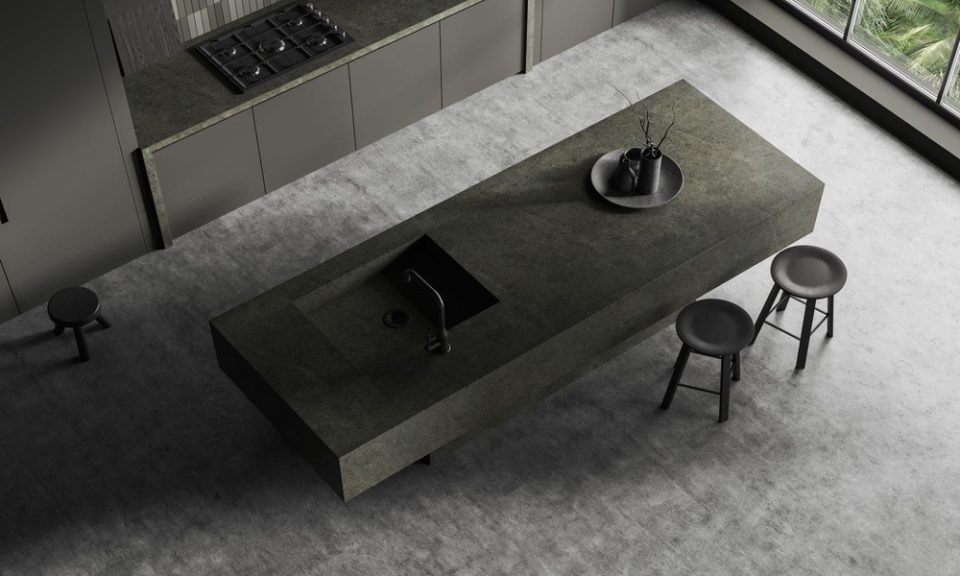
Key Takeaways
- Sintered stone is highly resistant to heat, scratches, stains, and UV rays, making it suitable for both indoor and outdoor spaces.
- The material is non-porous and hygienic, requiring minimal maintenance compared to natural stone.
- Installation costs can be higher due to the hardness and density of the slabs.
- Although durable, edges may chip if hit with heavy objects.
Introduction
Sintered stone has quickly become one of the most talked-about materials in modern interior design. Homeowners researching sintered stone in Singapore often come across premium brands like Dekton in Singapore, which are known for combining aesthetics with extreme durability. Manufactured using intense heat and pressure, sintered stone replicates the natural formation of stone in just a few hours, producing a surface that is exceptionally strong and long-lasting.
For homeowners planning a renovation, sintered stone offers an attractive alternative to quartz and other traditional materials, such as granite in Singapore. Its advanced properties make it particularly suitable for Singapore’s humid climate, but it is still important to understand both the advantages and limitations before investing.
The Advantages of Sintered Stone
One of the main reasons homeowners choose sintered stone in Singapore is its outstanding resilience. The material is highly heat-resistant, allowing hot cookware to be placed directly on the surface without causing damage. It is also extremely scratch-resistant, making it ideal for busy kitchens and heavy daily use.
Another major benefit is its UV stability. Unlike some engineered surfaces that may fade or yellow over time, sintered stone maintains its appearance even under direct sunlight. This makes it an excellent choice for outdoor kitchens, balcony counters, and BBQ areas.
Sintered stone is also non-porous, meaning it does not absorb liquids such as coffee, wine, or oil. Because there are no tiny pores for bacteria or mould to settle into, the material is highly hygienic and easy to maintain. Unlike natural stone, it does not require regular sealing, which reduces long-term maintenance.
Brands like Dekton in Singapore are especially popular because they offer a wide range of colours, finishes, and textures that mimic natural stone, metal, and concrete. This versatility allows homeowners and designers to achieve both modern and timeless looks.
The Challenges and Drawbacks
Despite its impressive durability, sintered stone does have some disadvantages. Its hardness, while beneficial for scratch resistance, also makes it more brittle than some other surfaces. The edges, especially mitred corners, can chip if struck with heavy cookware or sharp impacts. Repairs are possible, but they often require specialist workmanship.
Installation is another consideration. Because the slabs are dense and difficult to cut, fabrication requires specialised equipment and experienced installers, often resulting in a more complex process than fitting quartz or granite in Singapore. Homeowners choosing Dekton in Singapore should ensure their contractor has experience handling the material properly. This often leads to higher installation costs compared to quartz or laminate surfaces.
Another factor is the appearance of the slab edges. Many sintered stone designs feature printed surface patterns that do not continue through the entire slab. While modern fabrication techniques can minimise this issue, visible edges may sometimes reveal a plain core colour rather than a continuous pattern.
Aesthetic Appeal and Design Flexibility
Sintered stone stands out for its premium appearance and tactile finishes. Compared to quartz, it often feels more natural and sophisticated. Finishes can replicate weathered stone, oxidised metal, or matte concrete, making the material suitable for contemporary, industrial, and minimalist interiors.
This versatility has contributed to the growing demand for sintered stone in Singapore, especially in luxury homes and designer kitchens. The ability to create seamless indoor-outdoor spaces using the same material is another reason many homeowners prefer it over traditional options.
Is Sintered Stone Worth It?
Sintered stone is ideal for homeowners seeking a durable, low-maintenance, and visually striking surface. It is particularly suitable for avid home cooks, outdoor entertainment spaces, and modern kitchens that require strong heat and stain resistance.
However, the material may not suit every budget. Higher fabrication and installation costs should be considered carefully, especially for large projects. Households with young children or heavy daily wear around exposed edges may also want to weigh the risk of chipping against the material’s many benefits.
Conclusion
Sintered stone represents a major advancement in surface technology, combining the beauty of natural materials with exceptional durability and performance. Whether selected for its heat resistance, low maintenance, or premium appearance, it remains one of the most desirable surfaces in modern interior design.
For homeowners considering sintered stone in Singapore or exploring brands like Dekton in Singapore, working with an experienced fabricator is essential to ensure the best results and long-term performance.
Contact Stone Loft to explore a range of sintered stone options.
