
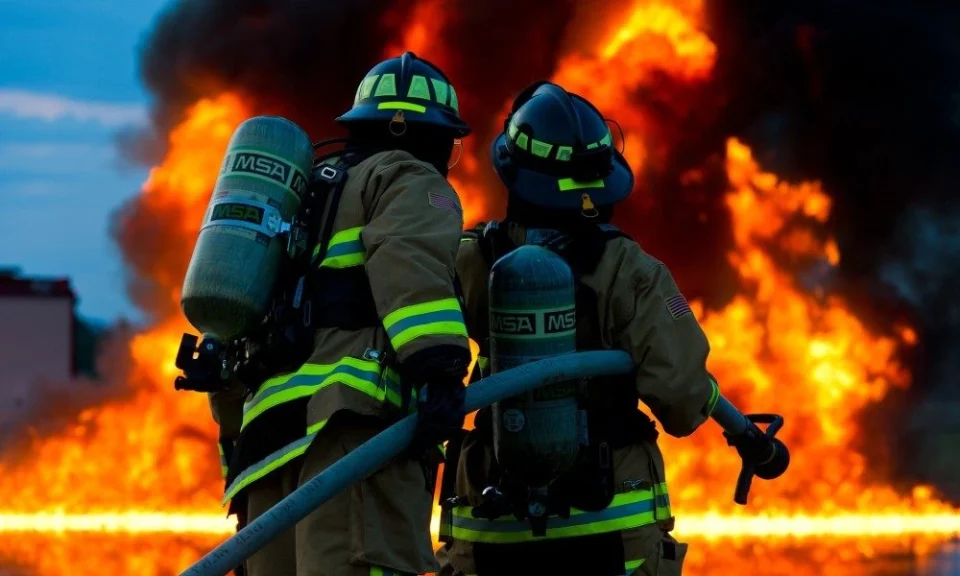
When a fire watch guard actually witnesses a fire, a near miss, or a serious hazard, the job is far from finished once the immediate danger has passed. What happens next: the accuracy and completeness of the reporting is what protects the client legally, supports any insurance claim, and shapes how the site prevents a repeat incident from occurring down the line. A strong verbal response during the emergency counts for little if the written record afterwards is thin or inconsistent.
Standardizing the reporting format immediately following an incident guarantees that vital details are documented while events are still fresh. Qualified Ontario fire watch guards are trained to log precise observations, environmental conditions, and safety measures taken, creating a reliable chain of evidence for stakeholders. Inserting this structured documentation step right after the initial incident response bridges the gap between emergency mitigation and long-term risk assessment.
Capturing an Accurate Timeline
A useful incident report records exact times: when the hazard or fire was first noticed, when the alarm was raised, when emergency services were called, and when evacuation began and concluded. Vague timing undermines the report’s value to everyone who relies on it later, including insurers and investigators reconstructing the event long after memories have started to blur, so precision matters even under stress.
Documenting the Guard’s Own Actions
The report should describe precisely what the guard did in response, whether an extinguisher was discharged, which areas were evacuated first, and whether any injuries were observed, since this record is often the clearest account available of how the incident actually unfolded on site while it was happening.
Working With Responders and Investigators
Guards are frequently the first point of contact for arriving fire crews and may later need to provide a statement to a fire marshal or insurance investigator, which makes preserving the scene and any photo documentation part of the job, not an afterthought left for someone else to handle once the immediate emergency has passed and things have calmed down.
Reporting Up to Management and the Fire Watch Company
An immediate verbal notification to the facility contact should be followed by a formal written report submitted to both management and the fire watch company, with any photos or logs attached so nothing depends on memory after the fact once the adrenaline of the moment has faded and details start to slip away.
Feeding Reports Back Into Prevention
Well-documented incidents let a facility spot recurring hazard patterns, justify additional safety measures, and update guard training, turning a single bad event into a lesson that reduces the odds of the next one happening on the same site again in the future. Over time, a body of well-kept reports becomes a genuine reference for how a specific property tends to fail and what warning signs precede it.
Conclusion
Thorough post-incident reporting is what separates a fire watch guard’s presence during an emergency from a genuinely useful record afterwards. Accurate timelines, documented actions, and clear communication with responders and management ensure the incident produces lasting safety value rather than just a memory of a close call that fades with time and leaves little behind to learn from.
