
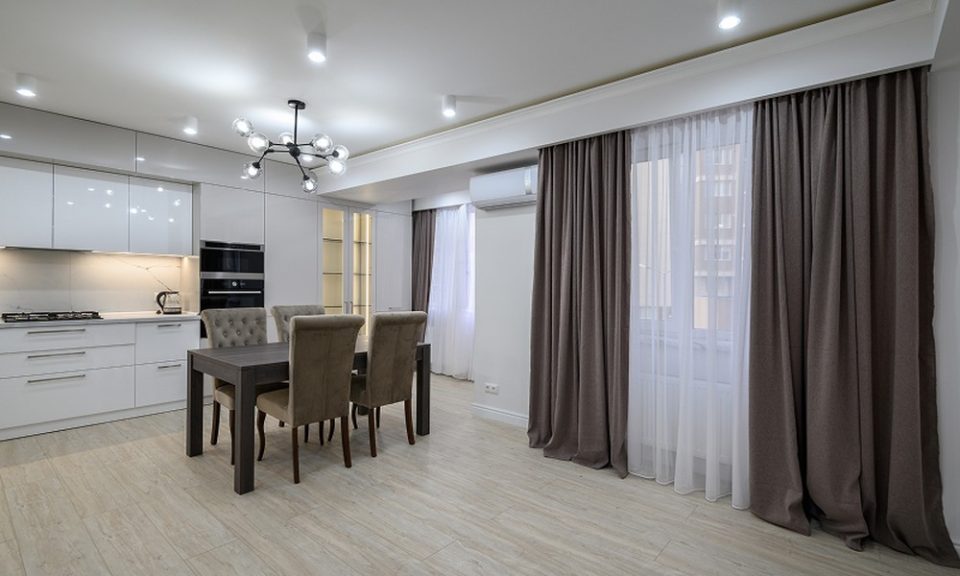
Key Takeaways
- S-fold curtains tend to maintain shape longer due to structured wave headings
- Fabric choice and track quality directly affect durability
- Fewer pinch points reduce wear compared to traditional pleated curtains
- Maintenance habits play a major role in lifespan across all curtain types
- S-fold curtains for homes are durable when installed and used correctly
Introduction
Curtain lifespan depends on more than just fabric quality. Construction style, daily usage, and installation systems all influence how long curtains remain functional and visually consistent. This instance raises a practical question: do s-fold curtains actually last longer than other curtain types? The answer is conditional. While they are designed for structural consistency and reduced fabric stress, their longevity depends on how they are specified, installed, and maintained within residential environments.
Structural Design and Wear Distribution
One key advantage of s-fold curtains lies in how the fabric is formed and supported. Unlike pinch pleat or pencil pleat curtains, which rely on tightly gathered sections that create concentrated stress points, s-fold systems distribute fabric evenly along a continuous track. The wave effect is created by carriers spaced at fixed intervals, meaning the fabric is not repeatedly compressed in the same areas during opening and closing. This approach reduces friction and limits long-term creasing damage.
That said, in practical terms, fewer stress points translate into slower wear. Pleated curtains often show early signs of fatigue where stitching holds the pleats together, especially in high-use areas such as living rooms. In contrast, s-fold designs maintain a consistent drape because the load is spread across the entire curtain width. This structural difference contributes to a longer usable life when compared under similar conditions.
Track Systems and Mechanical Longevity
Durability is not limited to fabric alone. The track system plays a central role in how long curtains function smoothly. S-fold curtains for homes typically operate on specialised tracks with evenly spaced gliders. These systems reduce jerking movements and uneven pulling, which are common causes of premature wear in traditional rod-and-ring setups.
A well-installed s-fold track minimises resistance during operation. This quality matters over time, as repeated force on standard curtain rings or hooks can lead to tearing at attachment points. In contrast, the integrated carrier system in s-fold tracks reduces mechanical strain on both the fabric and the hardware. However, this advantage depends on installation quality. Poor alignment or low-grade tracks can negate these benefits and shorten lifespan.
Fabric Selection Still Determines Lifespan
Despite structural advantages, fabric remains the primary determinant of longevity. S-fold curtains made from lightweight or low-density materials may not outlast heavier, well-constructed pleated curtains. For example, sheer fabrics used for aesthetic layering will naturally degrade faster under sunlight exposure compared to thicker blackout materials.
Remember, in residential settings, fabric choice should match room conditions. Areas with direct sunlight require UV-resistant textiles, while high-traffic zones benefit from more durable weaves. The s-fold format supports a wide range of fabrics, but it does not compensate for poor material selection. This instance means longevity gains from the system are only realised when paired with suitable fabric.
Maintenance and Usage Factors
No curtain type performs well without proper maintenance. Dust accumulation, improper cleaning, and rough handling reduce lifespan regardless of design. S-fold curtains for homes are relatively easier to maintain because their uniform folds allow for consistent cleaning and fewer hidden dust traps compared to densely pleated styles.
However, frequent manual pulling without using the leading edge or wand can still cause uneven strain over time. Proper handling, along with periodic cleaning and track inspection, is necessary to preserve both function and appearance. Maintenance habits, in many cases, have a greater impact on longevity than the curtain style itself.
Conclusion
S-fold curtains can last longer than other curtain types, but only under the right conditions. Their design reduces stress concentration, and their track systems support smoother operation, both of which contribute to extended lifespan. However, these advantages depend heavily on fabric quality, installation standards, and ongoing maintenance. Once specified correctly, s-fold curtains for homes offer a durable and consistent solution, but they are not automatically longer-lasting without proper consideration of these factors.
Visit De Art Studio and upgrade your interiors with s-fold curtains designed for long-term performance and clean, consistent draping.
