
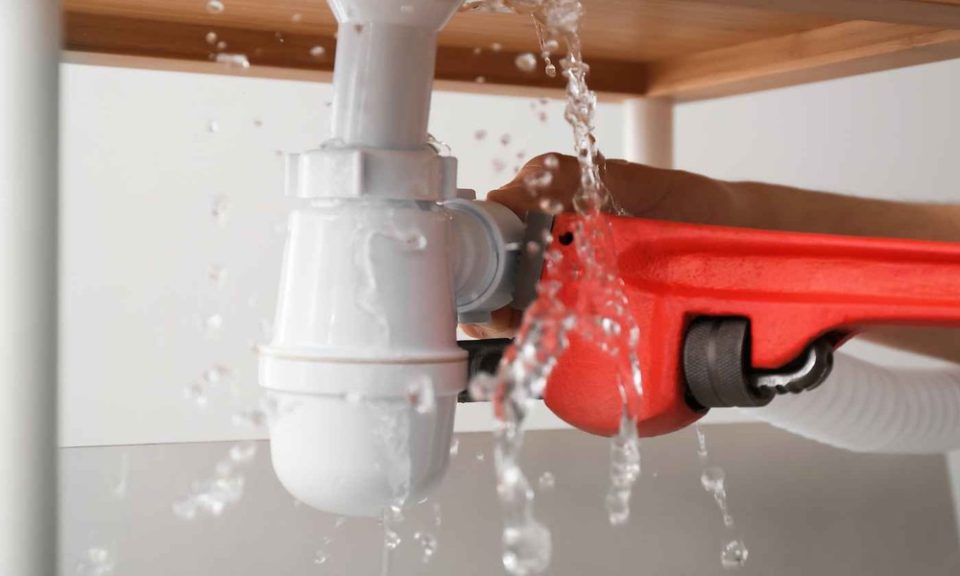
Water damage is a homeowner’s greatest vulnerability. From a ruptured pipe to a failing water heater or a sewer backup, plumbing failures do more than ruin your schedule. They can devastate flooring, compromise drywall, and necessitate expensive mold remediation. However, plumbing stress is largely avoidable if you shift from a reactive mindset to a proactive maintenance strategy.
Most expensive emergencies do not appear out of thin air. They are usually the culmination of small, ignored issues that compound over time. By performing consistent checks and investing in preventative care, you can intercept minor glitches before they escalate into structural disasters. This guide provides practical steps to help you safeguard your home and keep your infrastructure running smoothly.
Upgrade Aging Infrastructure
If you reside in an older property, your pipes may be ticking time bombs. Older materials, specifically galvanized steel and aging copper, are highly susceptible to internal corrosion. This leads to pinhole leaks that can go undetected behind walls for months. You should remain vigilant for red flags such as chronically discolored water, a sudden decrease in water pressure, or an unexplained spike in your monthly water bill. If you spot these signs, it may be time to consider a partial or full re-piping of your home. Addressing these concerns proactively is far more affordable than dealing with a catastrophic flood.
Prioritize Water Heater Health
Your water heater is the workhorse of the home, yet it is often the most neglected appliance until the hot water stops flowing. Whether you have a traditional tank, a high-efficiency heat pump, or a modern tankless system, routine maintenance is non-negotiable. For tank-based systems, regular flushing is vital to remove sediment. Over time, mineral buildup causes the unit to overheat, rust, and eventually burst. Watch for small puddles at the base of the unit or strange knocking sounds coming from the tank. Replacing an aging unit before it fails entirely is one of the smartest financial moves a homeowner can make.
Maintain Clear Sewers and Drains
A sluggish drain is often the prelude to a catastrophic backup. To keep your lines clear, you must be vigilant about what enters your plumbing system. In the kitchen, you should never pour grease, oils, or coffee grounds down the sink because these materials solidify and trap other debris. In the bathroom, simple hair catchers can protect your shower drains from stubborn clogs. You should also be aware of external threats like tree root intrusion into your main sewer line. Professional cleaning and periodic inspections are essential to ensure that contaminated water never backs up into your living space.
Inspect Appliance Supply Lines
The modest rubber or plastic hoses behind your washing machine, refrigerator, and dishwasher are common points of failure. These lines become brittle and crack with age, making them a leading cause of indoor water damage. It is a good habit to replace standard rubber hoses with braided stainless steel lines. They are significantly more durable and resistant to high-pressure bursts. This simple, low-cost upgrade can save your kitchen or laundry room from thousands of dollars in restoration costs.
Choose the Right Plumbing Partner
Even the most diligent DIY maintenance requires a professional touch for complex diagnostics. Establishing a relationship with a licensed plumber before a crisis occurs is essential. You need a partner who values transparency, keeps a tidy workspace, and prioritizes long-term solutions over quick fixes.
This is where Quality Plumbing excels. Serving the Seattle community with a reputation for excellence, their technicians do more than just patch leaks. They serve as consultants for your home’s health, advising on the best supply lines and identifying when fixtures are nearing the end of their lifespan. Having a trusted expert on speed dial ensures that minor issues are handled efficiently before they evolve into a costly crisis.
