
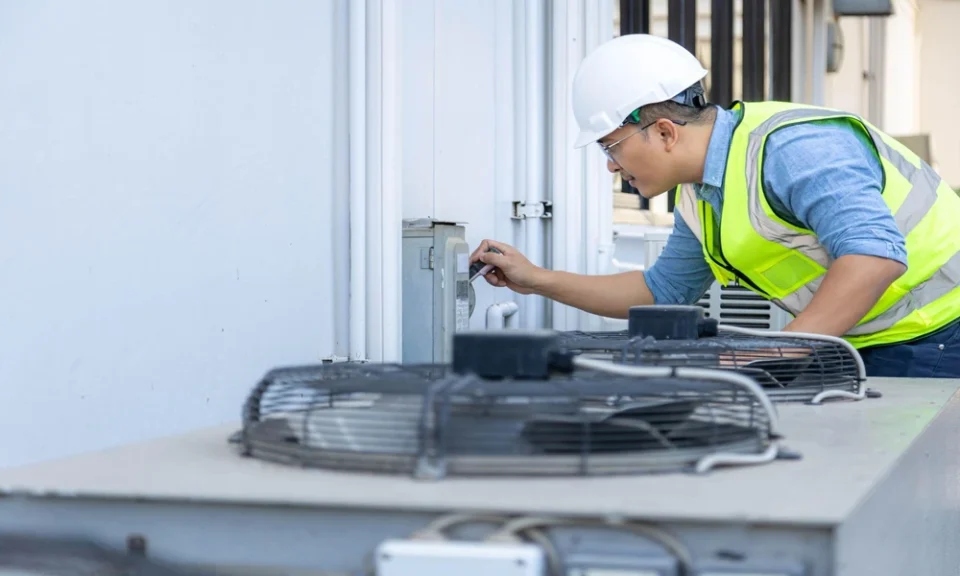
Key Takeaways
- Certifications indicate that an aircon contractor has received formal training and understands industry standards.
- Safety and electrical qualifications help reduce installation risks.
- Practical experience is essential alongside technical certifications.
- Manufacturer training can improve installation accuracy and system performance.
- Ongoing professional development helps contractors stay updated with industry changes.
Introduction
Choosing the right air conditioning contractor is one of the most important decisions when planning a new air conditioning system. While cost and availability are often major considerations, qualifications should never be overlooked. Air conditioning work involves electrical connections, refrigerant handling, piping systems, and performance testing. Mistakes during aircon installation can lead to poor cooling efficiency, higher energy consumption, and unnecessary repair costs. Understanding the certifications and qualifications that a contractor should possess can help property owners select a professional who is capable of completing the job safely and correctly.
Technical Certifications and Training
A qualified contractor should have formal training in air conditioning, refrigeration, or related technical fields. These programmes provide knowledge of cooling systems, installation procedures, troubleshooting methods, and equipment operation. Formal education helps technicians understand both the theory and practical aspects of air conditioning systems.
Industry-recognised certifications further demonstrate competency. Depending on local regulations, these certifications may cover refrigerant handling, system installation, environmental compliance, and technical standards. When hiring an aircon contractor, it is advisable to ask about the certifications held by both the company and the technicians who will be carrying out the work. Verified qualifications provide greater confidence that industry standards will be followed during the project.
Electrical and Safety Qualifications
Electrical knowledge is an essential requirement for any contractor involved in aircon installation. Air conditioning systems require proper wiring, power supply management, and circuit protection. Contractors must understand electrical safety requirements to minimise the risk of equipment failure or safety hazards.
Safety qualifications are equally important. Installation work may involve working at height, handling specialised equipment, and dealing with refrigerants under pressure. Contractors who undergo safety training are generally better prepared to identify workplace hazards and follow safe work procedures. This reduces risks for both technicians and property owners throughout the installation process.
Practical Installation Experience
While certifications demonstrate technical knowledge, experience remains a critical qualification. Aircon contractors who have completed numerous installations are often better equipped to handle different site conditions and system requirements. They are more likely to identify potential issues before work begins and recommend suitable solutions.
Experience is particularly valuable when dealing with challenging layouts, limited installation space, drainage concerns, or complex piping arrangements. A contractor with a proven track record can often complete installations more efficiently while maintaining quality standards. Property owners should consider asking about previous projects that are similar in size or scope to their own requirements.
Manufacturer Training and Product Knowledge
Many air conditioning manufacturers offer specialised training programmes for contractors. These programmes focus on specific product models, installation procedures, and maintenance requirements. Contractors who participate in manufacturer training are generally more familiar with the systems they install.
Strong product knowledge can improve installation accuracy and reduce the likelihood of errors. It also helps ensure that equipment is installed according to manufacturer recommendations, which may be important for warranty compliance. For property owners investing in a new system, manufacturer-trained technicians can provide additional reassurance.
Conclusion
The qualifications of an aircon contractor can directly influence the quality, safety, and reliability of an installation project. Technical certifications, electrical knowledge, safety training, practical experience, and manufacturer-specific expertise all contribute to successful outcomes. Before proceeding with an aircon installation, it is worth taking the time to verify a contractor’s credentials and assess their experience. A properly qualified contractor is better positioned to deliver a system that performs efficiently and meets long-term operational requirements.
Contact Cool Channels Engineering to ensure your aircon installation is completed safely, efficiently, and according to industry standards.
