
Key Takeaways
- Non-shrink grout prevents the gaps and voids that typically compromise heavy machinery and structural columns.
- The chemistry behind volume-stable materials outperforms standard cement mixes in load-bearing applications.
- The critical turning point in the mixing and pouring process ensures long-term structural integrity.
- High-performance grouts protect your infrastructure from environmental stress and vibration.
Introduction
When we install heavy machinery, bridge bearings, or precast concrete columns, we rely on a medium that can transfer weight perfectly from the structure to the foundation. Traditional cement mortars often fail in this regard because they naturally contract as they dry, leaving microscopic voids that lead to instability and uneven load distribution. The secret to overcoming this physical limitation lies in the specialised world of non-shrink grout. This material maintains its volume and ensures 100% contact between surfaces.
Overcoming the Volume Contraction Challenge
As water evaporates from a standard cement mix during the curing process, the volume of the material decreases. In a precision setting, even a one-millimetre retreat can create a point-load situation by its anchor bolts. Non-shrink formulations contain specific additives that counteract this natural drying shrinkage. The result provides a reliable, monolithic bond that traditional mortars cannot match.
Enhancing Flow and Early Strength for Complex Bases
Non-shrink cement grout is prized for its high early strength and exceptional flowability. Unlike the thick, trowelable consistency of repair mortars, these grouts are poured or pumped into tight spaces, ensuring that every nook and cranny of a complicated machinery base is filled without the need for manual vibration. The material achieves a dense, impermeable structure that resists the ingress of oils, water, and chemicals.
Mastering the Water-to-Flow Relationship
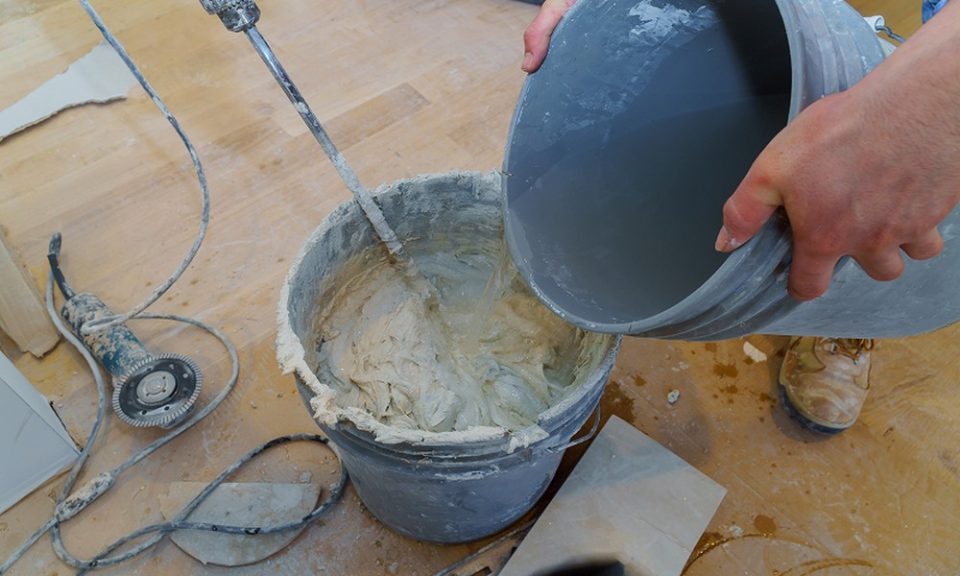
With non-shrink grout, the applicator masters the relationship between water addition and flow consistency. Many novices make the mistake of adding extra water to make the grout easier to pour. The acceleration of quality occurs when the user strictly adheres to the manufacturer’s specifications, using a mechanical mixer to ensure the chemical additives are fully activated. At this precise moment, the grout achieves its self-levelling or fluid state without the risk of segregation.
Optimising Curing for Maximum Load Transfer
Beyond the mix, the acceleration of structural performance is in the curing process. Once the grout is poured, the window for success is narrow. Properly protecting the exposed edges from rapid drying ensures that the expansion agents can do their job effectively. The bond strength and load-transfer capabilities of the non-shrink cement grout reach their peak. This transition from a liquid slurry to a hardened, volume-stable support is the most critical phase in the lifecycle of an industrial foundation.
Selecting Grades Based on Geometry and Dynamic Loads
Selecting the right grade of grout depends heavily on the geometry of the space being filled. Some projects require a dual-stage grout that offers both plastic and hardened expansion. In high-traffic areas, the grout must also exhibit high compressive strength. Choosing a specialised non-shrink grout ensures that the foundation can absorb these vibrations without cracking or debonding over time.
Thixotropic Solutions for Precast and Vertical Joints
For vertical applications, such as filling the joints in precast concrete panels, the requirements shift toward a thixotropic consistency. The grout flows under pressure but becomes thick and stays in place once that pressure is removed. Understanding these nuances is essential for any project manager. By matching the grout’s flow characteristics to the specific task, you reduce waste and ensure that the structural integrity of the entire building is maintained.
Thermal Resilience and Chemical Protection
Industrial foundations are exposed to extreme temperature fluctuations. High-quality non-shrink cement grout has a coefficient of thermal expansion similar to that of concrete and steel, reducing the risk of delamination. Moreover, its low permeability acts as a protective shield for the reinforcing steel in coastal regions or chemical processing plants.
Proactive Maintenance of Exposed Grout Shoulders
Regular inspections of the grout shoulders (the exposed edges) are a hallmark of a proactive maintenance strategy. While the grout under the plate is protected, the edges can be susceptible to impact or environmental wear. Ensuring these edges are chamfered or coated with a compatible sealant can further extend the life of the installation. The cost of a high-performance non-shrink grout is a fraction of the cost of the machinery it supports or the structure it stabilises.
Conclusion
Structural stability is a game of millimetres, and there is no room for the gaps left behind by inferior materials. The chemical necessity of using non-shrink grout to ensure 100% surface contact in load-bearing applications. By choosing materials engineered for volume stability and environmental resilience, you are securing the future of your infrastructure. When excellence is the standard, non-shrink solutions are the only choice for a build that remains steadfast.
Don’t risk your machinery on standard cement. Reach out to Ardex – Quicseal and find the exact grout formulation for your high-stakes industrial project today.
