
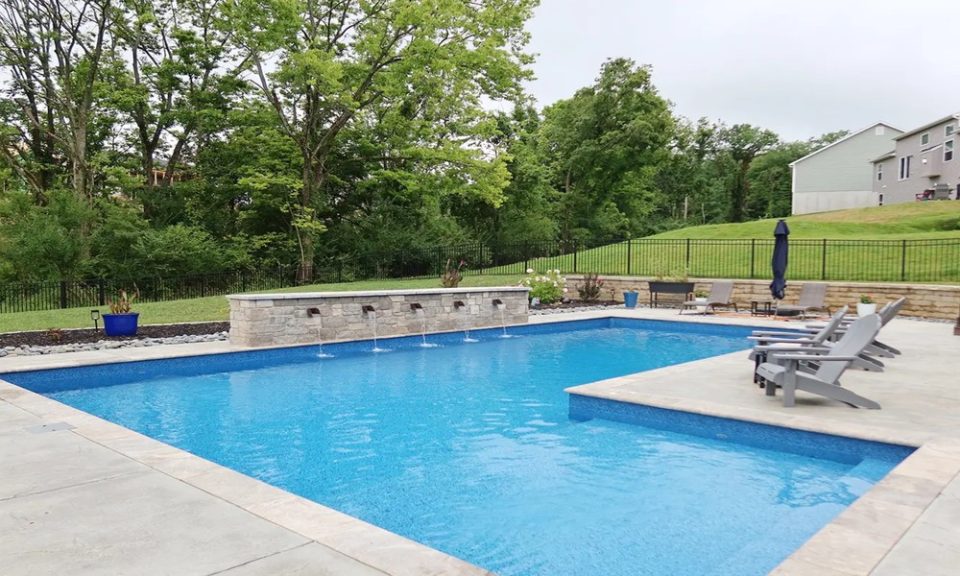
Building a swimming pool in Austin, Texas is exciting-especially when you start picturing summer evenings, backyard gatherings, and a clean, modern outdoor space. But what many homeowners don’t realize is that the most important part of a pool’s electrical system happens long before the water ever goes in.
Once concrete is poured, your options become limited, expensive, and in some cases permanently locked in. That’s why proper pre-construction electrical planning is essential-and why working with a qualified Austin electrician early in the project can make the difference between a smooth build and costly rework.
This guide breaks down everything that needs to happen before the pool shell is installed, including conduit planning, bonding grids, equipment pad wiring, and why DIY electrical work in this phase is usually a bad idea even for experienced handy homeowners.
Why Electrical Planning Happens Before the Pool Shell
A swimming pool isn’t just a hole filled with water-it’s a complex electrical environment. Pumps, heaters, lighting, automation systems, and safety grounding all depend on precise electrical design that must be coordinated with excavation and rebar installation.
Once the gunite or shotcrete shell is poured, most of those pathways are sealed in concrete. If something was missed-like a conduit run for lighting or a bonding connection point-you’re not “fixing it.” You’re cutting concrete.
That’s why experienced contractors bring in an Austin electrician during the design and early excavation phase, not after the pool is already formed.
Conduit Runs: The Hidden Lifelines of a Pool System
One of the most critical pre-construction elements is conduit installation. These are the protective pipes that carry electrical wiring from your home’s panel to the pool equipment and lighting systems.
What needs conduit planning?
Before concrete is poured, you typically need conduit for:
- Pool pump and filtration system power
- Pool heater (gas or electric ignition systems)
- Underwater LED lighting
- Landscape lighting tied into pool design
- Automatic pool covers
- Water features like fountains or spillways
- Future-proofing for additional upgrades
A skilled Austin electrician will also think ahead. Even if you don’t plan to install a heater or spa today, it’s often smart to install empty conduit “spares” so upgrades later don’t require excavation.
A common mistake homeowners make is underestimating future needs. Running one extra conduit during construction may cost a few hundred dollars. Adding it later can cost thousands.
Bonding Grid: The Most Important Safety System You Don’t See
If conduit is the nervous system of a pool, the bonding grid is the invisible safety shield.
A bonding grid connects all metallic components around the pool to a common electrical ground. This includes:
- Steel rebar inside the pool shell
- Pool pump and motor housing
- Metal ladders or handrails
- Light niches
- Water features
- Nearby metal structures within a required distance
The goal is simple: eliminate voltage differences between metal parts so no electrical current can pass through the water or surfaces where swimmers are present.
This is not optional-it’s a strict safety requirement in Texas electrical code.
A licensed Austin electrician ensures that the bonding system is installed correctly before concrete is poured, because once the rebar is covered, it becomes inaccessible. If bonding is missed or done incorrectly, the only fix is demolition work or unsafe workarounds-neither of which are acceptable.
Equipment Pad Wiring: Where Power Meets Performance
Every pool has an equipment pad, typically located a few feet from the pool itself. This is where all the mechanical systems live:
- Pool pump
- Filter system
- Heater
- Automation controls
- Saltwater chlorinators
- Secondary booster pumps (if used)
The wiring to this pad must be carefully designed to handle load requirements, weather exposure, and code compliance.
An experienced Austin electrician will evaluate:
- Proper circuit sizing for pumps and heaters
- GFCI protection requirements
- Disconnect placement for emergency shutoff
- Weatherproof conduit and junction boxes
- Voltage drop over distance from main panel
One overlooked issue in DIY or rushed installations is undersized wiring. A pump that trips breakers or runs inefficiently is often the result of poor planning, not equipment failure.
Timing Is Everything: Why Electrical Must Come Before Concrete
There is a very specific sequence in pool construction:
- Design and layout
- Excavation
- Steel rebar installation
- Electrical rough-in (conduit + bonding)
- Inspection
- Concrete shell (gunite/shotcrete)
- Plumbing and finishing work
The electrical rough-in is step 4 for a reason. It must integrate with the rebar structure before it is locked in place.
A professional Austin electrician coordinates directly with pool builders to ensure:
- Conduit routes don’t interfere with structural steel
- Bonding is attached to correct rebar points
- Electrical entry points are properly sealed and positioned
- Code inspections pass without delays
Skipping or rushing this step is one of the most common causes of expensive pool construction delays in Austin.
Can a Handy Homeowner Do This as a DIY Project?
This is where many homeowners pause and think, “How hard can it be? It’s just running wires and pipes.”
In reality, pool electrical work is one of the riskiest DIY categories in residential construction.
Here’s why DIY is problematic:
1. Code compliance is strict in Texas
Pool electrical systems fall under some of the most detailed sections of the National Electrical Code. Mistakes are not just unsafe-they will fail inspection immediately.
2. Safety risks are real
Water and electricity are a dangerous combination. Improper bonding or grounding can create shock hazards that are not always obvious until something goes wrong.
3. Inspections are mandatory
Even if a homeowner manages to install something physically, it still needs to pass inspection by local authorities. Missing documentation or incorrect installation means rework.
4. Concrete makes everything permanent
Once concrete is poured, there is no easy correction path. Errors become structural problems, not simple fixes.
For these reasons, most experienced builders strongly recommend hiring a licensed Austin electrician rather than attempting DIY installation.
What Licensed Electricians Actually Do on Pool Projects
A professional brings more than just installation labor-they bring system design and compliance expertise.
A qualified Austin electrician typically handles:
- Electrical load calculations for pool equipment
- Conduit layout design and installation
- Bonding and grounding system installation
- Coordination with pool builders and inspectors
- Code compliance documentation
- Final system testing and safety verification
The value isn’t just in doing the work correctly-it’s in preventing rework, delays, and safety risks that are expensive to fix later.
Common Mistakes Homeowners Make Without Electrical Planning
Even well-intentioned DIY or uncoordinated projects often run into issues such as:
- Forgetting conduit for future lighting upgrades
- Improper bonding of metal fixtures
- Incorrect pump wiring leading to frequent breaker trips
- Equipment pad placed too far from electrical supply
- Lack of GFCI protection on circuits
- Non-weatherproof outdoor connections
Each of these issues can require partial demolition or expensive rewiring. A licensed Austin electrician helps avoid these pitfalls before they happen.
Planning for the Future: Smart Pool Electrical Design
Modern pool systems are increasingly automated. Homeowners are now adding:
- Smartphone-controlled lighting
- Variable-speed pumps
- Smart heating systems
- Integrated spa controls
- Energy monitoring systems
Even if you don’t install these today, planning for them during construction is critical.
A forward-thinking Austin electrician will often recommend installing extra conduit pathways or oversized electrical panels to support future upgrades without major reconstruction.
Final Thoughts
A swimming pool is one of the biggest lifestyle upgrades a homeowner can make, but its success depends heavily on what happens before the first pour of concrete. Electrical planning is not just a technical step-it’s a safety system, a performance foundation, and a long-term investment in your property.
Conduit placement, bonding grids, and equipment pad wiring all must be completed at the right stage, or you risk turning a beautiful project into an expensive correction job.
Whether you’re building a simple backyard pool or a fully automated outdoor oasis, working with a licensed Austin electrician ensures that everything behind the scenes is built safely, correctly, and ready for long-term use.
In the end, the smartest pool upgrade isn’t the lighting or the heater-it’s making sure the electrical system is designed right the first time, before the concrete ever sets.
